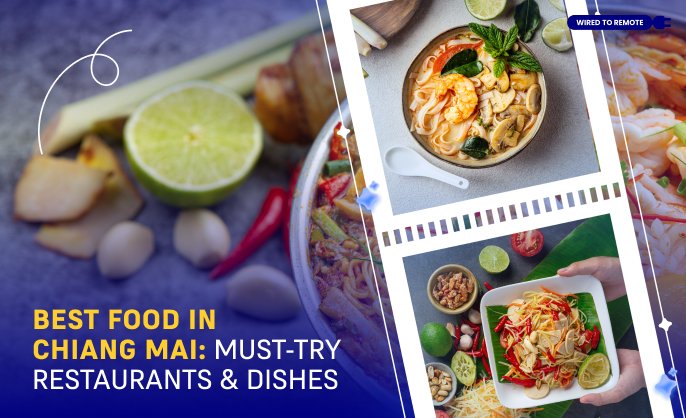

If you think that all Thai dishes taste the same, then you will definitely get a big shock! Thailand is known globally for its street food.
However, the North has a flavor a bit different from the rest. The climate in Chiang Mai is a little cooler, so they make the recipes warm and comforting.
In contrast to the super-hot dishes that you get in the South, the cuisine of the North is generally very low in spice levels.
These recipes feature aromatic spices such as star anise and cardamom rather than just turning red with chili, giving strong, complex flavors.
Due to the area being far from the sea, the types of seafood are rarely found.
Rather, it is simply the meaty, robustly flavored types that are capable of satisfying the soul.
When it comes to getting the best food in Chiang Mai, the night markets are undoubtedly your best option.
The vibe is unbelievable, and the variety is just out of this world. You will be able to try the famous Khao Soi as well as secret local dishes.
Reasons Why Northern Cuisine Is Unique:
- Gentle Heat: You will be able to identify the taste of the components without too much seasoning, thanks to this.
- Cozy Spices: Elements such as cinnamon and ginger give curries a warm, comforting feel.
- Outdoor Food Culture: Chiang Mai has some of the greatest open-air dining areas in the whole country.
Here you have it! We are going to explore some of the best street foods that you need to have if you want to eat your way through our wonderful city!
The Best Food In Chiang Mai That You Must Try As A Chiang Mai
If you are planning a trip to Northern Thailand, get ready for a serious flavor explosion.
The food culture here is unique, focusing on earthy herbs and rich textures rather than just “burn-your-tongue” spice.
To help you eat like a local, here is a guide to the best food in Chiang Mai.
1. Khao Soi (Northern Thai Curry Noodles)
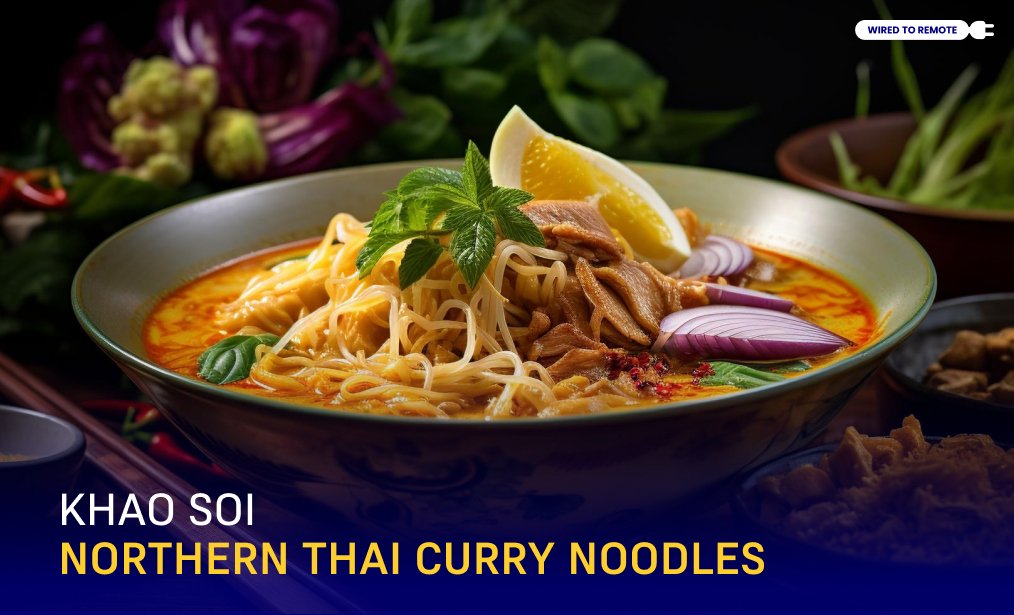
Khao Soi is the undisputed king of Northern cuisine. It is a rich, coconut-based curry soup that feels like a warm hug in a bowl.
Unlike the thin curries found in Bangkok, this one is thick, nutty, and fragrant thanks to a special blend of yellow curry paste and cardamom.
- What’s inside: A mix of boiled egg noodles and crispy deep-fried noodles on top.
- The Protein: Traditionally served with a tender chicken drumstick that falls off the bone.
- The Toppings: You’ll usually get a side plate of pickled mustard greens, raw shallots, and a squeeze of lime to cut through the richness.
2. Gai Yang (Smoky Grilled Chicken)
Even though fried chicken is easily found everywhere, BBQ lovers should really try Gai Yang. This is probably the best local food in Chiang Mai.
The chicken is first marinated with lemongrass, garlic, and fish sauce, then skewered on bamboo sticks and grilled over charcoal.
- Texture: The skin gets super thin and crispy, whereas the meat remains very juicy.
- Usage: Locals usually enjoy this together with “Khao Niao” (sticky rice) and a spicy dipping sauce.
- Atmosphere: It’s a well-balanced, protein-packed meal that generates an irresistible aroma from quite a distance.
3. Gaeng Hung Lay (Pork Belly Curry)
One of the best illustrations of the Burmese impact on Northern Thai cuisine is this dish.
This is a heavy ginger and pork curry, constant to ingredient without any coconut milk. The outcome is a dark, greasy, and very flavorful gravy that is loaded with “umami.”
- Principal Ingredients: Large chunks of pork belly, cloves of pickled garlic, and julienned ginger.
- Flavor Profile: In addition to salty and sour (from tamarind), there is the tiniest hint of sweetness.
- Reasons to Eat It: The pork has been cooking for so long that you can almost have it with a spoon, no knife needed!
4. Sai Ua (Herbaceous Grilled Sausage)
If you see a long, coiled sausage sizzling on a grill at the night market, that’s Sai Ua. It is one of the most aromatic sausages you will ever taste.
It is made from minced pork mixed with a heavy hand of fresh local herbs.
- The Herb Mix: Expect strong notes of lemongrass, kaffir lime leaves, and galangal.
- The Kick: It usually has a medium spice level from dried red chilies.
- Serving Style: It’s sliced into bite-sized rounds and served in a small paper bag, making it the ultimate walking-around snack.
5. Kaeng Khanun (Savory Jackfruit Curry)
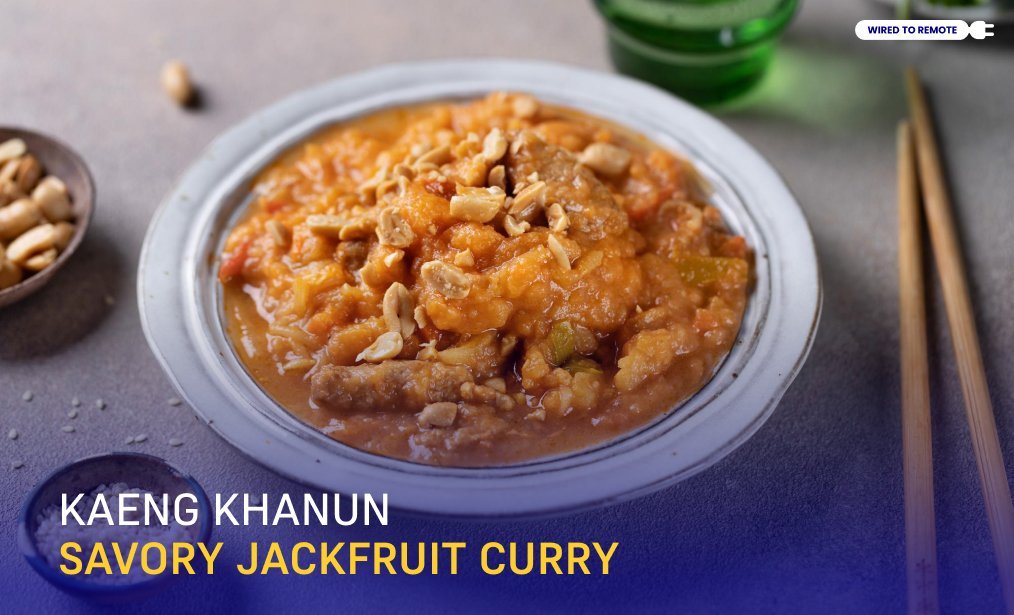
Jackfruit is mainly known as a sweet, yellow fruit, but in Chiang Mai, locals use the “young” green jackfruit as a vegetable.
This curry has a thin, spicy flavor, and it is a great refreshment after heavier meat dishes.
It has been a “soul food” to many Northern families for generations.
- The “Meat”: Green jackfruit is very fibrous, and it tastes like pulled pork.
- Hidden Details: Actually, fruit curry is a bit of a misnomer as pork chunks and shrimp paste are standard ingredients for a deep, rich base.
- Health Fact: Made with plenty of cherry tomatoes and betel leaves among other nutritious ingredients, it is a very light dish.
6. Phuek Tod (Deep-Fried Taro)
A crunchy and satisfying treat is exactly what you will get with Phuek Tod. Taro root bits are battered and fried until golden.
Taro is a starchy root that resembles a potato. Its flesh is creamier and has a natural sweet taste.
- The Crunch: The batter is prepared with rice flour. This is what keeps the batter crisp for a long time.
- The Sauce: Sweet-and-sour sauce with crushed peanuts is always served as an accompaniment.
- Fun Fact: Usually vegan and very popular, these snacks are known as “guilty pleasures” at street vendors in the afternoon.
7. Khao Kha Mu (Stewed Pork Leg)
Nothing is more comforting than this dish.
The entire pork leg is slowly cooked in a large pot of five-spice-flavored stock (cinnamon, star anise, etc.) until the skin becomes gelatinous and the meat is very tender.
The dish owes its worldwide fame to the “Cowboy Hat Lady” at the Chang Phueak Gate.
- The plate: A heap of white rice garnished with tender pork slices, a boiled egg, and fermented mustard greens.
- Here’s The Tip: Make sure to add the spicy garlic-vinegar sauce on top so you can enjoy the full range of flavors in the dish, hiding the fattiness with a sharp tang.
- Popularity: Extensive fan base; considered among the best dishes in Chiang Mai on the basis of taste, affordability, and speed of serving.
8. Som Tam (Green Papaya Salad)
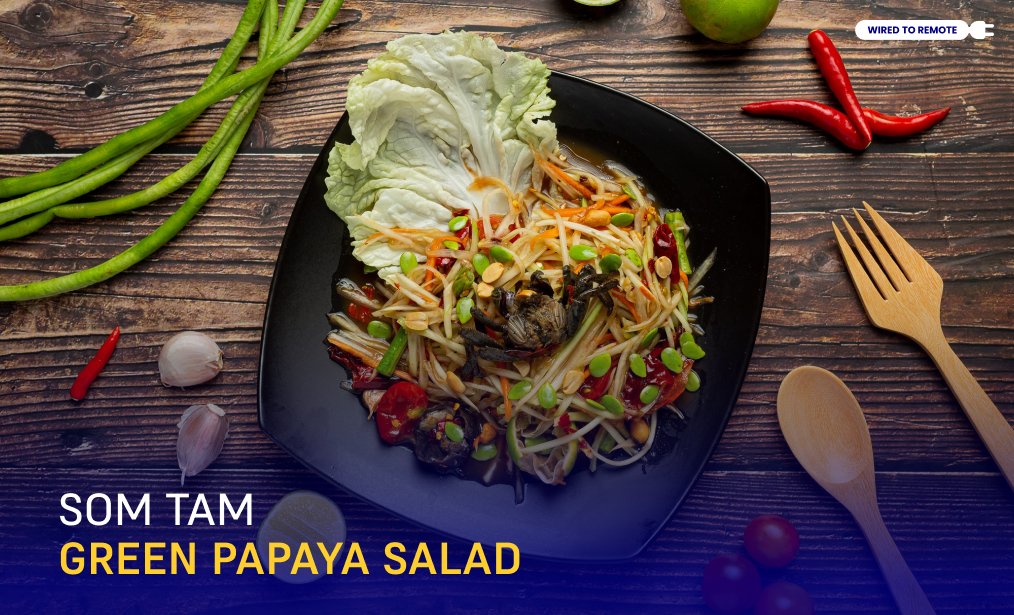
This item originated in the Northeast, but nowadays it’s one of the top dishes in Chiang Mai.
It acts as a great companion to heavy curries because its fresh, sour taste can cut through the heaviness.
The pounding of the ingredients in a mortar and pestle is what makes the salad burst with flavor.
- Ingredients: Shredded green papaya, long beans, and tomatoes; dressing: lime juice, palm sugar, and fish sauce.
- Northern Style: In Chiang Mai, you might come across “Som Tam Poo Plara, ” a version that contains fermented fish sauce and small crabs for that deep, salty “funk.”
- The Perfect Match: People generally pair this with Nam Prik Ong (pork and tomato relish) or sticky rice on the side to mop up the spicy sauce.
9. Pa Thong Ko (Thai-Style Donuts)
If sweets are your thing, then these deep-fried dough delights must be on your list.
Usually referred to as “Thai Chinese crullers, ” they are the Thai version of a donut or a churro.
They are light and airy, and their slight saltiness makes them the perfect breakfast or late-night snack when you’re exploring the city.
- What Shapes? Several well-known stalls in Chiang Mai have gained fame online for shaping dough into dinosaurs, dragons, and elephants before frying them.
- Best Dips: Though they are quite delicious on their own, they are spectacular when dipped in sweet condensed milk or enjoyed with a local coffee.
- The Mouthfeel: You will find the outside thin, crispy, and golden, while the inside is soft, fluffy, and very addictive.
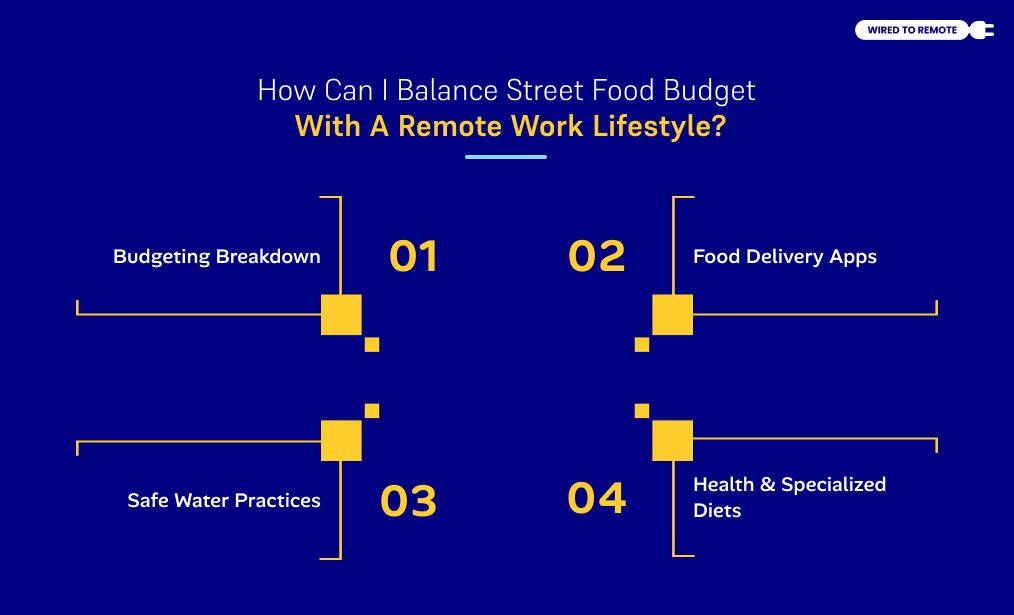
How Can I Balance Street Food Budget With A Remote Work Lifestyle?
Pinpointing the best food in Chiang Mai when working remotely is basically the art of juggling. If you need to keep your budget in check, then local street food is the way to go.
For as little as 30-60 THB, you can have a mouthwatering meal there. At the same time, getting a Western meal at a restaurant will normally set you back 150-300 THB.
And by spicing it up with more street food, you’ll have the best of both worlds, low cost and delicious taste.
a. Budgeting Breakdown
The key to saving money here is to “live like a local,” which is totally doable with street food. Authentic Thai dishes like Pad Thai or Khao Soi are often available for less than $2 USD.
But if you are in the mood for a burger or pasta, be prepared to pay a bit extra.
Planning a few days of “street food” eating each week could really help your budget!
b. Food Delivery Apps
We all have our moments when tasks seem to come at us one after another.
If you happen to be locked at your desk and cannot step away even for a minute, you will agree that apps like Grab and Foodpanda are quite the heroes.
They are not only straightforward to use. However, they also literally bring the food to you while you are engrossed in your work.
c. Safe Water Practices
You must stay healthy if you want to consistently work at your peak. Here is a handy hint: never drink tap water.
The water is not safe to drink, so always go for sealed water bottles or water filtered through a refill station.
This simple routine may help keep you from getting sick and missing work.
d. Health & Specialized Diets
From the perspective of green eating, you could not be in a better place than Chiang Mai. There is no shortage of vegan and vegetarian dishes to keep you fit and active.
Do not miss a chance to visit Free Bird Cafe or The Salad Concept for a refreshing, healthy meal that will really make you feel good.
Where Are The Best Spots To Network And Eat With Other Digital Nomads?
Meeting new people is one of the best parts of working remotely, and food is the perfect way to do it!
If you are looking for the best food in Chiang Mai while trying to make friends, you are in the right place.
Mealtimes are the perfect break to stop feeling lonely and start building great professional connections.
· Networking Hubs
To find your tribe, head to places like Yellow Coworking or Punspace. These aren’t just offices; they are social hubs!
They often host community events or have chill cafe areas where you can strike up a conversation with a fellow nomad over a coffee or a quick lunch.
· Social Communities
Another great tip is to jump online before you head out. Joining local Chiang Mai Digital Nomad Facebook groups is a game-changer.
People constantly post about “food meetups” or networking dinners. It’s a low-pressure way to meet people who are doing the exact same thing as you.
· Family Style Dining
When you finally head out with a group, try eating “family style” at local spots like Huen Muan Jai.
This is a local custom where everyone shares multiple dishes in the middle of the table.
Not only do you get to taste more things. However, it is also a powerful shortcut for bonding. Sharing a meal literally breaks the ice and turns strangers into friends in no time.
What Is The Most Optimized Food Schedule For A Busy Remote Worker?
Finding the best food in Chiang Mai while working remotely is all about smart timing and community. Here is how to keep your budget, health, and social life in perfect balance:
Eat Cheap & Stay Productive
- Budget Smartly: Stick to local street stalls for meals between 30–60 THB. If you need a Western fix, expect to pay 150–300 THB.
- Delivery for Deadlines: Use Grab or Foodpanda when you’re stuck in the “zone.”
- Healthy Habits: Skip tap water and grab bottled or filtered water instead. For a nutritional reset, try the vegan-friendly Free Bird Cafe or The Salad Concept.
Network While You Eat
- The Best Social Hubs: Coworking spots like Yellow Coworking and Punspace are great for meeting other nomads.
- Find Your Tribe: Join the Thailand Digital Nomads Facebook Group to find local food meetups.
- Bond Over “Family Style”: Share multiple plates with new friends—it’s the fastest way to break the ice and try everything on the menu.
The Ultimate Nomad Food Schedule
- Beat the Rush: Visit the famous Khao Soi Mae Sai around 2:00 PM to avoid the lunch crowds.
- Late-Night Fuel: If you’re on a late shift, head to the Chang Phueak Gate Night Market for high-quality food that stays open late.
- Weekend Reset: Take a screen break on Saturday or Sunday mornings at the Jing Jai (JJ) Market for organic treats and artisan coffee.



Leave A Comment