

The topic of the day: Living in Bali as a remote employee!
If you’ve spent more than five minutes on Instagram lately, you’ve seen “The Dream.”
You know the one: a digital nomad sitting in a stunning bamboo cafe, sipping a $2 smoothie bowl while staring out at neon-green rice paddies. It looks perfect, peaceful. And – honestly – a little bit fake.
I’ll be the first to admit it: I fell for it too.
After spending three months working from and living in Bali (two months recently and a stint a few years back), I’m here to tell you that the reality is… umm… complicated.
Those $2 smoothie bowls? They’re closer to $5 now. Those quiet rice paddies? They’re usually accompanied by the sound of a construction drill next door.
Don’t get me wrong – Bali is still one of the most beautiful places I’ve ever called home. But the “work-from-anywhere” life here isn’t all sunset dips and infinity pools.
It’s a wild mix of high-speed fiber optics and ancient rituals, luxury villas and absolute traffic chaos.
In this blog, I’m spilling everything I’ve learned – the good, the bad, and the stuff that makes me want to scream into my coconut.
So, keep reading!
Living In Bali: Understanding The Indonesian Digital Nomad Visa (E33G)
Bali, as we all know, is one of the most popular places for digital nomads. The first thing you realize at present is that the future of work is now strictly regulated.
Indonesia has formalized the Remote Worker Visa (E33G), which has replaced much of the visa run culture of the past.
To qualify for this 12-month residency permit (KITAS), you need to be employed by a company outside Indonesia and prove you earn at least $60,000 USD per year.
If you don’t meet that threshold, many nomads still use the B211A Visit Visa, which allows for a 6-month stay but technically sits in a grey area for active work.
For long-termers, the E33G is the gold standard, providing a legitimate way to call this island home without legal anxiety. (Source: Bali.com)
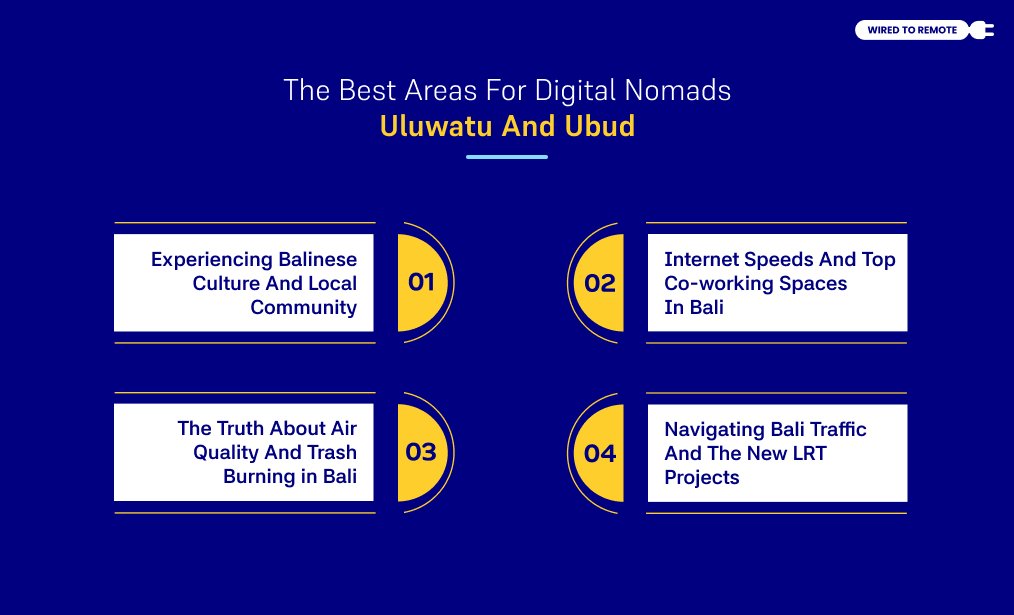
The Best Areas For Digital Nomads: Uluwatu And Ubud
Bali remains one of the most beautiful places I’ve ever been. At present, Uluwatu has cemented itself as the it spot for high-earning nomads.
It’s the spot for surfers, though it’s now arguably the most expensive part of the island. I stayed further inland for $20/night to avoid the $80/night beachfront rooms.
Amed, on the other hand, is a laid-back snorkeling haven in the east. It’s way less touristy, with noticeably cleaner air.
However, with the new Amed Port upgrades and improved maritime access, it’s starting to see more development, making it a first-mover spot for those escaping the south.
Experiencing Balinese Culture And Local Community
Beyond the views, the Balinese people are the soul of the experience.
They maintain an incredibly accepting vibe fueled by Balinese Hinduism, which focuses on harmony between people and nature (Tri Hita Karana). You see this in the canang sari (daily offerings) on every sidewalk.
The safety in 2026 is still remarkable. I once left my iPhone on a Gojek bike, and the driver immediately returned it.
I feel completely safe walking home at night – though in 2026, you have to be more mindful of Tourist Code of Conduct enforcement, as the local government has become stricter about respecting sacred sites.
Internet Speeds And Top Co-working Spaces In Bali
For a remote specialist, connectivity in 2026 is better than ever. Fiber-optic speeds in hubs like Canggu and Ubud now consistently hit 150Mbps. The game-changer has been Starlink, which is now common in even the most remote villas.
The cafe culture is still world-class. Places like Zin@Work in Canggu or Dragonfly Cafe in Ubud offer fast WiFi and gorgeous views.
I found Tropical Nomad in Canggu to be great for high-level networking. And Bwork (one of the best coworking spaces in Bali) has become a sanctuary for those needing a deep work library vibe.
The Truth About Air Quality And Trash Burning in Bali
Now for the things that drive me crazy – the parts they don’t show you on Instagram. Top of the list is the air quality.
In 2026, despite new waste management laws, trash burning still happens, and the exhaust from thousands of motorbikes creates a smoky cocktail of pollutants.
My hair constantly feels like straw, and I’ve had to invest in a high-quality air purifier for my bedroom just to breathe clearly at night.
Navigating Bali Traffic And The New LRT Projects
Bali’s narrow roads simply weren’t designed for this many people.
Now, the Bali LRT (Light Rail Transit) and Subway projects have finally broken ground. However, they won’t be operational for years.
This means traffic is currently at an all-time high due to a mix of tourism and construction.
Walking remains a nightmare. Sidewalks are rare and often feature gaping drainage ditches. Unless you are a professional rider, do not rent a scooter. Use Grab or Gojek.
Watching foreigners get into Bali tattoos (scooter accidents) is a daily occurrence, and in 2026, hospital bills for the uninsured are astronomical.
Cost Of Living In Bali 2026: Rent, Food, And Lifestyle
Let’s talk about the cost of living in Bali!
Bali can be cheap, but in 2026, the backpacker budget is fading. A decent guesthouse room now ranges from $400 – $600 per month.
If you want a modern 1-bedroom villa in a prime area like Berawa, expect to pay $1,500 – $2,500.
Food is another area where costs have climbed.
While you can still find a $3 nasi goreng at a local warung, the trendy Instagram cafes now charge Western prices – think $12 – $15 for a meal and a coffee.
The fresh snake fruit and coconut water remain the best value on the island and are something I will deeply miss.
The Impact Of Overtourism And Environmental Issues
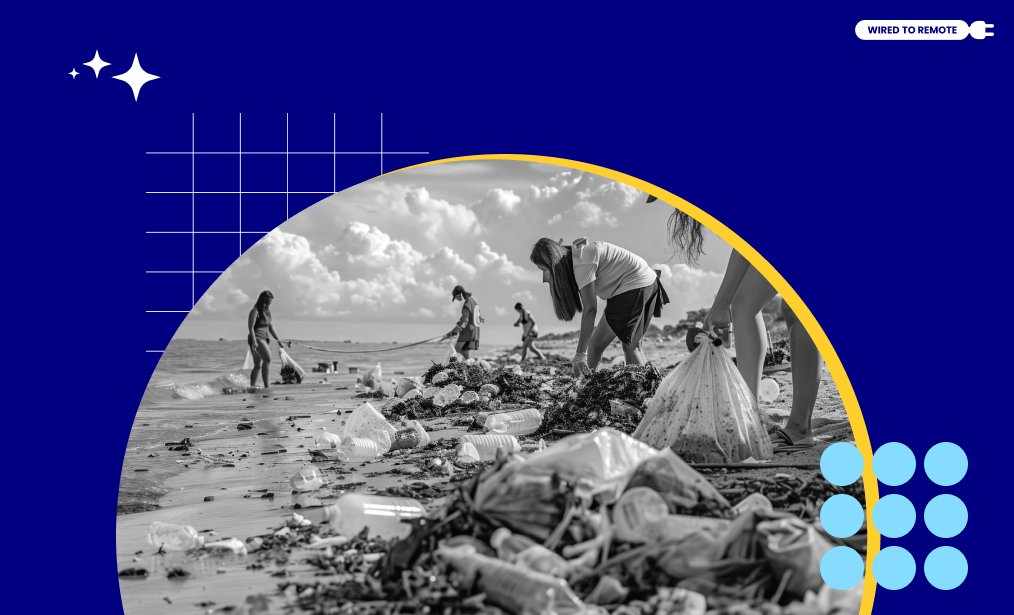
The most heartbreaking part of living in Bali is witnessing the overdevelopment.
The Wild West era of construction is slowing down due to a government moratorium on new permits in some areas, but the damage in Canggu and Ubud is visible.
The island is being crushed under its own popularity. I’ve seen tourists being disrespectful to waitstaff and riding bikes without helmets.
It feels like the spiritual essence is being tested by a party culture that doesn’t always care about the local impact.
The locals deal with the rising costs and water shortages, while we nomads can simply fly away.
International Schools And Healthcare For Expat Families
If you’re moving with a family in 2026, the infrastructure for living has matured. International schools like Green School and SLK Bali offer world-class education.
Healthcare has also seen an upgrade with the Jimbaran Underpass, improving access to BIMC and Siloam hospitals.
However, you must have private insurance; travel insurance often won’t cut it for a 3-month residency.
Is Bali Still A Good Digital Nomad Hub?
After my three months, I was ready to leave. And don’t get me wrong – living in Bali is beautiful.
Bali at present offers an incredible lifestyle – if you can handle the smoke, the traffic, and the ethical weight of being part of the overtourism problem. It’s a place of high-speed Starlink and ancient rituals, luxury villas and open trash pits.
Being a remote worker here is a privilege that requires a realistic mindset. I loved the sunsets at Karang Boma Cliff and the creator community I found in the cafes, but the environmental toll eventually pushed me back to a more walkable city.
If you are planning to make the move, test the waters for 30 days first.
Pay the new $10 Tourist Tax through the Love Bali portal, get a proper E33G visa if you can afford it, and remember that you are a guest.
The future of work is flexible. However, it’s our responsibility to make sure paradise stays paradise.


Leave A Comment