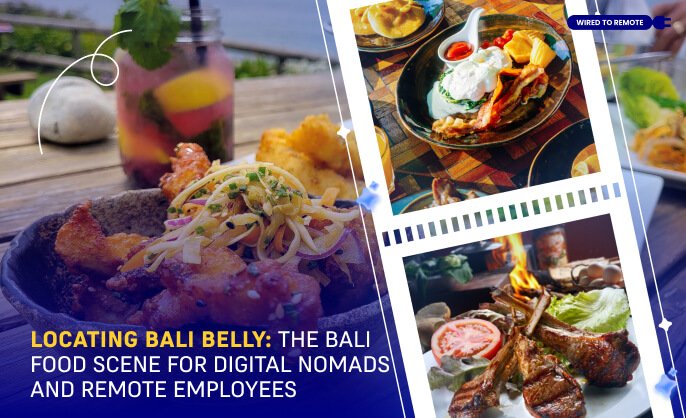

As someone who has spent years analyzing how remote work culture and global mobility intersect, I’ve watched Bali transform firsthand.
I have been to Bali a few times. As a digital nomad. And let me tell you from experience, it is no longer just a backdrop for “laptop on the beach” clichés.
The present Bali has become a high-performance ecosystem.
After synthesizing data from local logistics experts, nutritional science, and nomadic cost-of-living indices, I realized that our eating habits and food in Bali directly reflect our professional efficiency.
And that is exactly what I am planning to talk about in this blog.
If you are billing clients or scaling a startup, your time is your most valuable asset. Here is exactly how I navigate the island’s culinary landscape to stay productive and healthy. And on budget.
Keep reading!
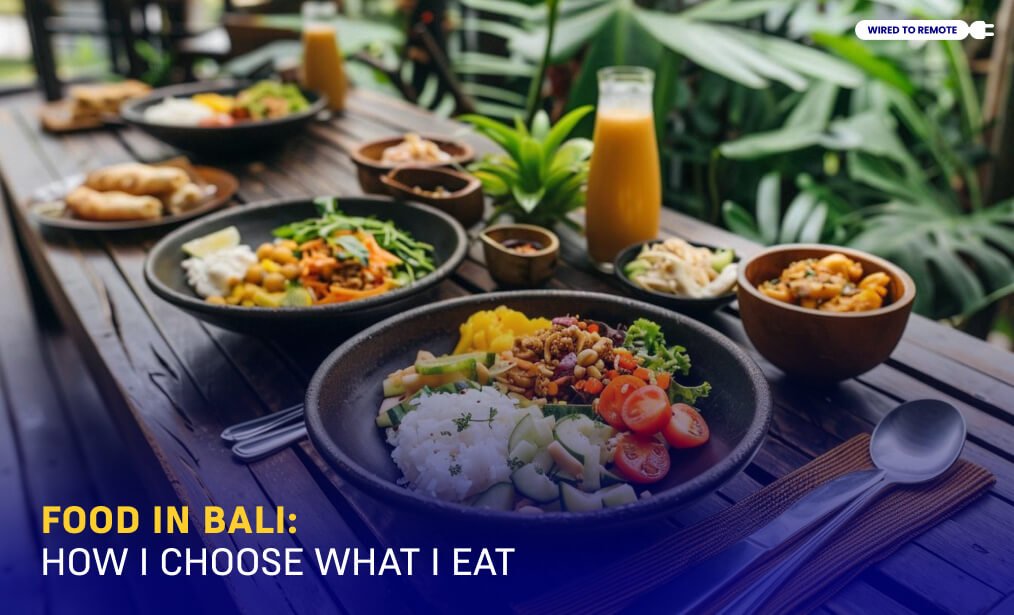
Food In Bali: How I Choose What I Eat
When I first arrived in Bali, I lived there for almost a month.
I made the amateur mistake of eating like a tourist. However, I quickly learned that “vacation eating” – heavy carbs and sugary cocktails – destroys the deep-work state.
Current remote work trends show that successful nomads now prioritize “Cognitive Fueling.” It is the practice of choosing specific foods and eating patterns to optimize brain performance, maintain steady energy, and enhance professional productivity. (Source: Harvard Health Publishing)
Since I value my billable hours, I view a single day lost to a stomach bug or “brain fog” as a literal business loss.
Consequently, I treat every meal as a tactical decision rather than just a craving. Based on my analysis of current nomadic hubs, Bali has evolved from a cheap getaway into an executive dining hall where your diet serves as your competitive advantage.
Digital Nomad Hubs In Bali: Where To Get The Best Food?
As I analyze the island, I map it into three distinct zones based on work style:
- Canggu: This is the “Silicon Valley” of Bali. It is best for networking lunches and high-energy food. Places like Crate Cafe offer great opportunities to meet other founders, though the noise level requires noise-canceling headphones.
- Ubud: This is my wellness epicenter. I go here when I need to reset my body and focus on mental clarity.
- Uluwatu: The newer cafes here, like Ours, offer a laid-back aesthetic that I find perfect for creative brainstorming or long-term strategy sessions.
Laptop Friendly Cafe And Restaurant In Bali
To maintain high output, I look for specific metrics: Wi-Fi speed (minimum 50 Mbps), chair ergonomics, and “laptop etiquette.” I rely on these spots because they balance a professional atmosphere with excellent nutrition.
- ZIN Cafe (Canggu): I recommend this as the gold standard for free-to-work hubs. Data from Digital Nomads World confirms it as a top-tier location. I’ve personally clocked their Wi-Fi at over 100 Mbps. Furthermore, the open-air architecture keeps the brain oxygenated, and their dedicated “quiet zone” helps me tackle complex tasks without distraction.
- Tropical Nomad: I head here when I have high-stakes meetings. Unlike standard cafes, this is a dedicated workspace. Nomad List statistics show it remains a staple for its 24/7 reliability. While the food is simple, the “service-to-speed” ratio is unbeatable for a busy workday.
- The Jardin Cafe (Seminyak): When the Canggu crowds become too much, I retreat here. It offers a quieter “Office Cafe” vibe where the staff expects you to stay for several hours.
My Professional Rule: I always follow the “One Item per Two Hours” rule. This piece of digital etiquette ensures we remain welcome in local businesses and supports the local economy.
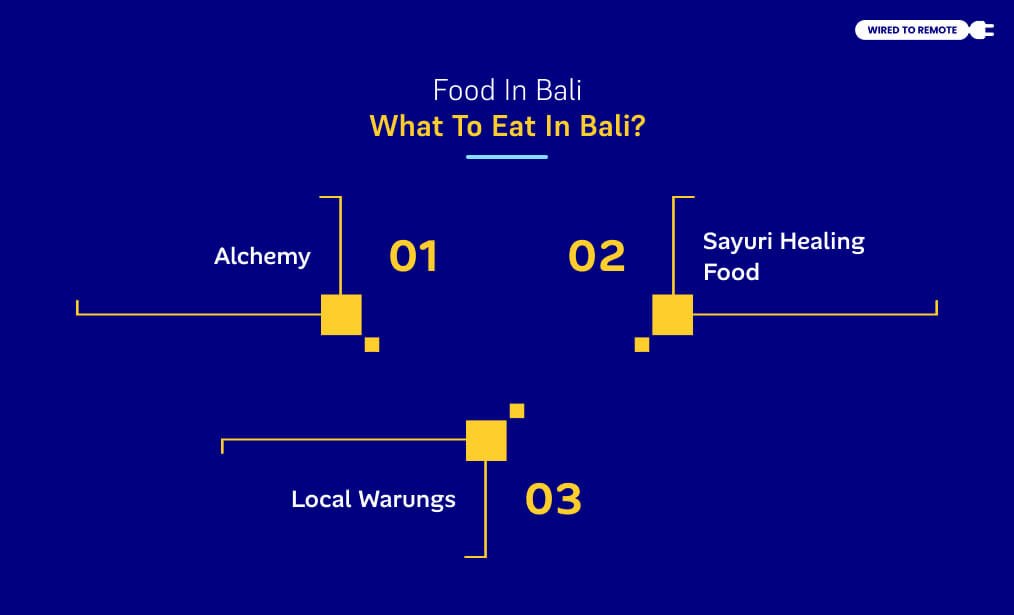
Food In Bali: What To Eat In Bali?
I have analyzed the menus of the island’s top wellness spots to understand what actually fuels a long workday. Instead of chasing “Instagrammable” pancakes, I focus on Functional Nutrition.
Alchemy (Ubud And Uluwantu):
Based on nutritional insights from Alchemy Academy, I prioritize their raw, plant-based bowls. They use adaptogens and raw cacao which help manage the stress spikes associated with remote work.
Sayuri Healing Food:
I visit this spot when I am in “Monk Mode.” Their focus on fermented foods and low-GI (Glycemic Index) ingredients prevents the mid-afternoon energy crash that typically follows a heavy rice lunch.
Local Warungs:
I never ignore the Warung (local eatery). A Nasi Campur (mixed rice) from a reputable spot like Sun Sun Warung provides a balanced mix of fiber and protein for under $3, keeping me full without making me sluggish.
Most Popular Food In Bali
Apart from where to eat and what to eat as a digital nomad, I would say that everyone visiting Bali should try these:
Babi Guling:
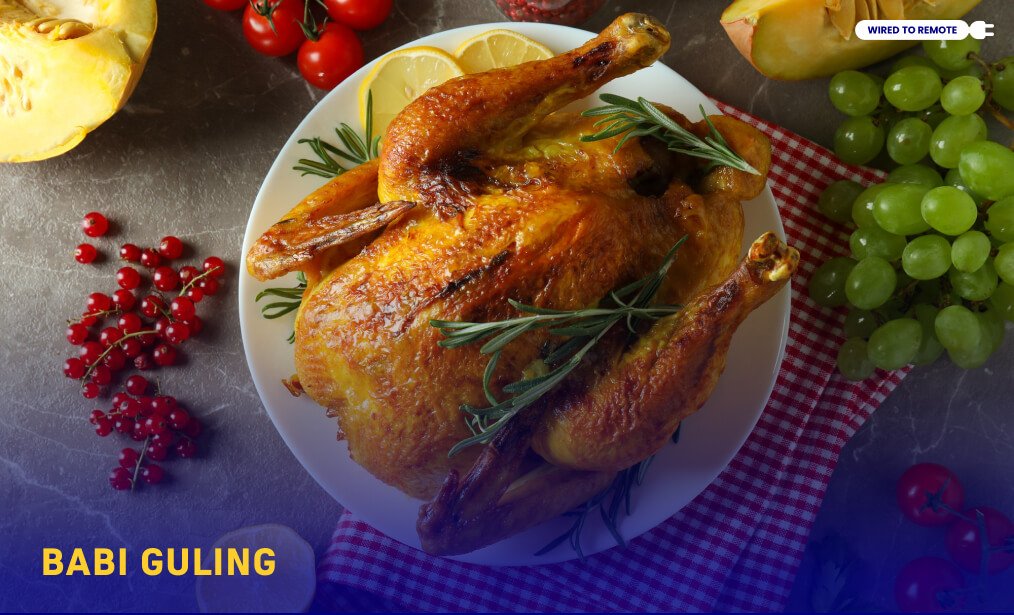
Spit-roasted pig stuffed with aromatic basa gede spices and cooked over smoldering coconut husks.
Bebek Betutu:
Succulent duck marinated in fiery Balinese spices then slow-steamed inside protective, fragrant banana leaves.
Sate Lilit:
Minced meat mixed with grated coconut and lime, then wrapped around aromatic lemongrass skewers.
Nasi Campur:
A scoop of white rice served with small portions of various local meats and vegetables.
Nasi Goreng:
Classic Indonesian fried rice served with a fried egg and crunchy traditional pickled vegetable sides.
Mie Goreng:
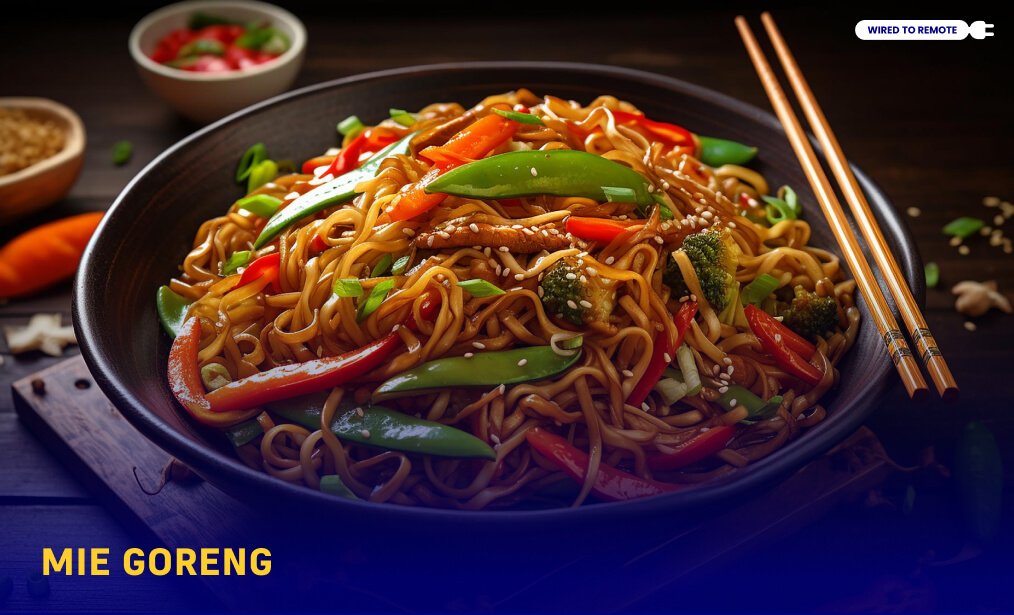
Savory stir-fried noodles seasoned with local spices and topped with a perfectly fried golden egg.
Lawar:
A traditional salad featuring finely chopped vegetables and minced meat tossed in a spicy dressing.
Gado-Gado:
Boiled vegetables, tofu, and tempeh smothered in a thick, sweet, and nutty Balinese peanut sauce.
Sambal Matah:
Raw shallot and lemongrass salsa that adds a refreshing, spicy kick to any Balinese meal.
Pisang Goreng:
Crispy deep-fried bananas that serve as a popular, sweet staple snack across the entire island.
Dadar Gulung:
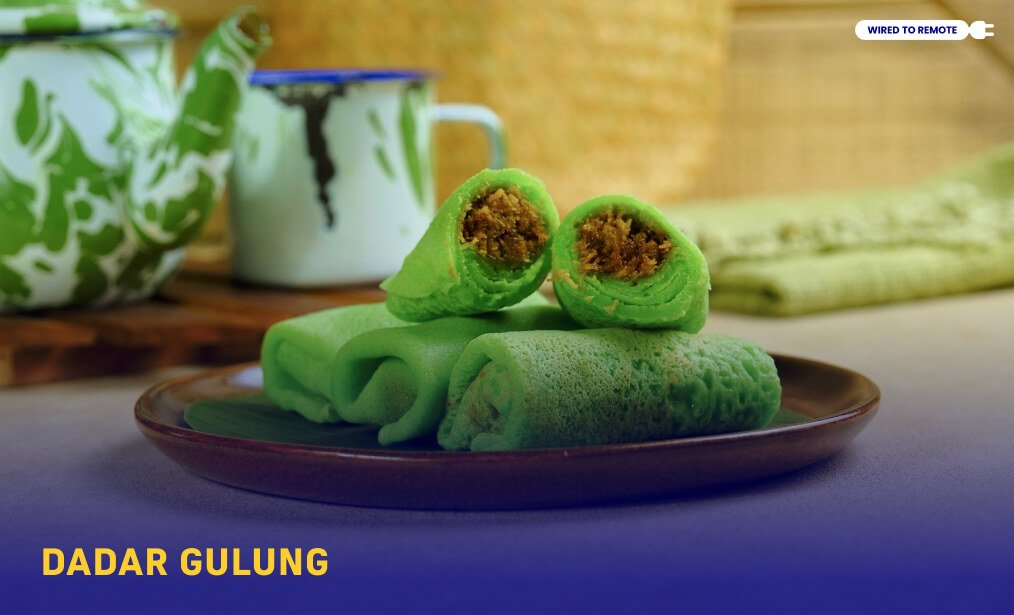
Green pandan-flavored crepes filled with a rich mixture of sweet coconut and liquid palm sugar.
Food In Bali Cost: What Should Remote Workers Spend On Food?
One of the biggest misconceptions I see is the idea that Bali is “dirt cheap.” But I have spoken about itin my previous article on the cost of living in Bali. Check that out for the reality check!
You might be shocked to know that in reality, if you eat Western cafe food for every meal, your burn rate will rival major European cities.
| Dining Type | Price Range (USD) | Examples |
|---|---|---|
| Local Warung | $1.00 – $3.00 | Nasi Campur, Nasi Goreng |
| Casual Cafe | $5.00 – $10.00 | Smoothie bowls, avocado toast, burgers |
| Mid-Range Resto | $10.00 – $25.00 | Sit-down dinners with international menus |
| Fine Dining | $25.00+ | Multi-course tasting menus |
To stay profitable, I use a strategy called the 70/30 Rule, a financial approach often cited in Investland Bali’s cost-of-living reports.
- 70% Local (The Warung Hack): I eat 70% of my meals at high-quality local Warungs. My average spend is $2 – $4 per meal.
- 30% Premium (The Office Tax): I spend $12 – $20 on meals only when I am using a cafe’s infrastructure for work. This essentially covers my “rent” for the Wi-Fi and air conditioning.
Monthly Budget: As per data, a disciplined nomad eats exceptionally well on $400 – $600 USD per month. Moreover, I use GoFood – the local delivery app – to find discounts that lower these costs even further during busy weeks.
Is Food In Bali Safe For Foreigners?
Bali is safe. But is the food?
Your health is your most important business asset. Therefore, I treat food safety as a non-negotiable protocol.
- The Ice Audit: I only consume ice in established cafes that use “tube ice.” Local health advisories suggest avoiding crushed ice from street carts because it often comes from unpurified sources.
- Water Hygiene: I never brush my teeth with tap water. I keep a large bottle of mineral water by the sink to avoid any accidental exposure.
- The High-Turnover Rule: I only eat at local spots with high foot traffic. High turnover ensures the food is fresh. Pak Malen in Seminyak is a perfect example of a safe, high-volume local spot.
- The Emergency Kit: I keep a “Nomad First-Aid Kit” at my desk at all times. This includes activated charcoal, rehydration salts, and the Gojek app for 15-minute pharmacy deliveries.
By analyzing expert opinions and local trends, I’ve concluded that the most successful nomads in Bali treat the food scene with a mix of respect and strategy. I don’t just eat for flavor – I eat for the next four hours of mental output.
Bali offers us the chance to access world-class nutrition at a fraction of Western prices. If you follow the 70/30 Rule, prioritize Brain Fuel, and maintain a strict Safety Protocol, you turn your time in Bali into the most productive chapter of your career.



Leave A Comment